
Heart Health in South Florida Pets: Warning Signs and Care Tips

Heart Health in South Florida Pets: Warning Signs and Care Tips
Worried about your dog or cat’s heart health in Miramar’s hot, humid climate? You are not alone. Many pet owners in South Florida wonder how the weather and environment might affect their pet’s heart, and what can be done to keep their furry companions healthy and comfortable year-round. At Paw Haus Animal Hospital, located at 12280 Miramar Blvd #1, Miramar, FL 33025, our team of veterinarians understands just how important early detection and proactive care are for your pet’s heart. In this guide, we will walk you through the signs of potential heart issues in dogs and cats, discuss what factors may put your pet at risk, and explain how our advanced veterinary cardiology services support heart health for pets in Miramar and surrounding communities.
Whether you are noticing subtle changes in your pet’s behavior or simply want to be prepared, learning about heart health can make a world of difference. We will cover the most common warning signs, causes of cardiac disease, available treatment options, practical home care tips, and how to know when it is time to schedule a veterinary appointment. Our goal is to provide you with the knowledge and confidence to prioritize your pet’s wellness every day.
Recognizing the Warning Signs of Heart Disease in Dogs and Cats
Heart disease can develop gradually in pets, so it is crucial to recognize the early symptoms that may indicate a problem. In the beginning, many pets will seem completely normal, but as their condition progresses, changes may become more noticeable. Key symptoms of heart disease in dogs and cats include persistent coughing that lasts more than a few days, difficulty breathing or rapid breathing even at rest, episodes of fainting or collapsing, and reduced ability to exercise or play. You might also observe your pet tiring more quickly, showing signs of weakness, or developing a distended abdomen due to fluid buildup. In cats, heart disease can be especially hard to spot; changes such as increased hiding, decreased appetite, or sudden difficulty walking can all be red flags.
It is important to remember that some pets, especially cats, are masters at hiding illness. Heart disease may not become apparent until it is quite advanced. If you notice any of these signs, or if your pet just does not seem like themselves, it is always better to err on the side of caution and seek a comprehensive physical examination from our veterinary team.
Subtle Changes You Might Miss
Subtle warning signs are easy to overlook, especially if they develop slowly. For example, you might notice your dog is less enthusiastic about walks, or your cat is less interested in climbing or playing. Even a slight increase in resting respiratory rate, which may go unnoticed in daily routines, can be an early indicator of heart trouble. Keeping a journal of your pet’s normal behavior and activity levels can help you spot these changes sooner and share important information with your veterinarian during your next visit.
What Causes Heart Disease in South Florida Pets?
Understanding the causes of heart disease in dogs and cats can help you take steps to minimize your pet’s risk. There are several types of heart conditions that affect pets, and their causes can vary by age, breed, and environment.
In dogs, acquired heart disease is most commonly caused by degenerative valve disease and heart muscle disorders (cardiomyopathy). Small and toy breeds, such as Cavalier King Charles Spaniels and Chihuahuas, are especially prone to valve diseases as they get older. Larger breeds, including Boxers and Dobermans, are more at risk for cardiomyopathies. Congenital heart defects, which pets are born with, are less common but can be detected early with specialized diagnostics.
Cats are frequently affected by hypertrophic cardiomyopathy, a disease that thickens the heart muscle and impairs its function. Certain breeds, such as Maine Coons and Ragdolls, have a genetic predisposition. Other conditions, like heartworm disease, can also damage the heart and lungs of both dogs and cats if not prevented.
The South Florida climate, with its high heat and humidity, can add stress to pets with underlying heart disease. Hot weather can make it harder for pets to breathe and regulate their body temperature. Additionally, the risk of heartworm infection is higher in regions like Miramar due to the prevalence of mosquitoes throughout the year. This makes year-round prevention and regular heartworm testing especially important for local pets.
Lifestyle and Environmental Factors
Obesity, poor diet, lack of regular exercise, and exposure to secondhand smoke can all contribute to the development of heart disease in pets. Regular veterinary checkups are essential because many risk factors can be addressed through early intervention and lifestyle adjustments.
How Paw Haus Animal Hospital Diagnoses and Treats Heart Problems in Pets
When heart disease is suspected, accurate diagnosis is the first step toward effective management. At our Miramar animal hospital, we offer advanced diagnostics such as cardiac evaluations, ultrasound, electrocardiograms, echocardiograms, and Holter monitoring. These tests allow our veterinary professionals to assess your pet’s heart structure, rhythm, and function in detail.
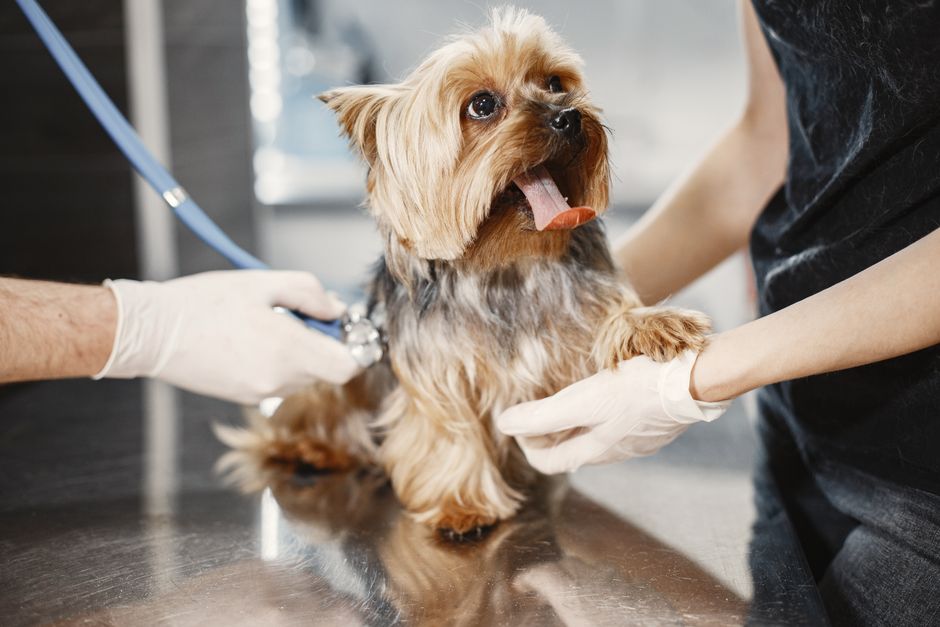
Physical examination is always the starting point. Your veterinarian will listen to your pet’s heart and lungs, check for murmurs or abnormal rhythms, and assess overall health. If a problem is detected or suspected, further diagnostic tools may be recommended. An electrocardiogram (ECG) measures the electrical activity of the heart and can reveal arrhythmias. An echocardiogram uses ultrasound to provide a real-time, detailed view of the heart’s chambers, valves, and blood flow. For pets with intermittent symptoms or suspected arrhythmias, Holter monitoring can record the heart’s activity over a 24-hour period while your pet goes about their normal routine.
Treatment options depend on the specific diagnosis. Management of heart disease in pets might involve medications to help the heart pump more effectively, control abnormal rhythms, or reduce fluid buildup. Some pets benefit from special diets that are lower in salt and designed to support cardiovascular health. Additional treatments may be recommended based on your pet’s unique needs, such as supplemental oxygen or fluid therapy in more advanced cases.
Our team will work closely with you to develop a personalized care plan, ensuring you understand each step in your pet’s treatment and what to expect as their condition is managed over time. Ongoing monitoring, regular check-ins, and adjustments to medication are all part of our commitment to your pet’s wellbeing.
Practical Tips for Supporting Your Pet’s Heart Health at Home
While veterinary care is essential, there are many things you can do at home to promote heart health in your pet. Maintaining a healthy weight through portion control and regular exercise reduces the strain on your pet’s heart. For dogs, daily walks and active playtime help keep their cardiovascular system in shape. For cats, interactive toys and climbing structures encourage movement and mental stimulation.
Feeding a balanced diet with high-quality ingredients is another crucial factor. Avoid giving table scraps or foods high in sodium, as excess salt can worsen heart conditions. Make sure your pet has access to fresh, clean water at all times, especially during the hot summer months when dehydration can occur quickly.
Routine veterinary checkups are vital for catching problems early. Semi-annual wellness visits allow your veterinarian to monitor for subtle changes in heart size, rhythm, or function that might not be obvious at home. Consistently administering heartworm prevention is non-negotiable in South Florida; the risk of infection never truly goes away, and heartworm disease can have devastating effects on your pet’s heart and lungs.
Keeping a close eye on your pet’s breathing rate while they are sleeping is a simple but powerful monitoring tool. For most dogs and cats, a resting respiratory rate of over 30 breaths per minute may indicate fluid accumulation or worsening heart function. If you notice this, contact your veterinary team right away.
When to Schedule a Veterinary Visit for Heart Concerns
Knowing when to seek professional help is essential for your pet’s safety and comfort. You should schedule an appointment with our veterinary team if your pet is coughing frequently, has difficulty breathing, faints or collapses, or shows a decrease in energy and exercise tolerance. Rapid breathing at rest, swelling of the abdomen, or sudden changes in appetite or behavior also warrant immediate attention.
Some situations call for urgent care. If your pet collapses, struggles to breathe, or develops blue-tinged gums, seek veterinary care as soon as possible. Our animal hospital in Miramar is equipped to handle both routine and urgent cardiac concerns, so you can feel confident that your pet will receive the care they need.
If your pet has already been diagnosed with a heart condition, regular follow-up appointments and monitoring are critical. Keeping up with medication, diet, and activity recommendations will help manage their condition and maintain quality of life. Our specialty veterinary cardiology services are available to support pets with complex or advanced heart disease.
Supporting Your Pet’s Heart for a Lifetime: Next Steps
Your pet’s heart health is a cornerstone of their happiness and longevity. By recognizing the warning signs, understanding risk factors, and partnering with a dedicated veterinary team, you are taking powerful steps to protect your companion. At Paw Haus Animal Hospital, we are committed to providing advanced cardiac care, diagnostic services, and ongoing wellness support for pets in Miramar and surrounding areas.
If you are concerned about your dog or cat’s heart health, notice any unusual symptoms, or simply want to schedule a checkup, we encourage you to reach out to our experienced veterinary professionals. Whether you are searching for a veterinarian near me or looking for comprehensive cardiology services, our team is here to help your pet thrive. To schedule an appointment or learn more about our specialized diagnostics, call us at (754) 288-2017 or visit our Miramar animal hospital location.
For additional information about cardiac evaluations, diagnostics, and preventive care, explore our cardiology services page or contact our veterinary professionals today. Your pet’s heart deserves expert care—let us be your trusted partner in lifelong wellness.