
How to Keep Pets Safe in Humid October Weather
How to Keep Pets Safe in Humid October Weather
October in Miramar may bring thoughts of cooler autumn days across much of the country, but here in South Florida, it is a different story. At Paw Haus Animal Hospital, we know that October remains hot and humid in Miramar and surrounding communities, creating unique health challenges for local dogs and cats. Pet owners often underestimate the risks of heat and humidity as the calendar turns to fall, but these conditions can put your pet at risk for dehydration, heat stress, and a range of skin and respiratory issues. In this guide, our team of veterinarians will help you recognize the signs of heat-related problems, understand why they occur, and share practical tips to keep your pets healthy and comfortable throughout the lingering South Florida summer. If you have concerns about your pet’s well-being during humid weather, we encourage you to contact our veterinary team at Paw Haus Animal Hospital for a wellness check or urgent care visit.
Recognizing Signs of Heat Stress and Humidity-Related Problems in Pets
Noticing the early signs of heat and humidity-related issues is crucial for keeping your dog or cat safe as temperatures remain high. Key symptoms of heat stress in pets include excessive panting, drooling, restlessness, and seeking cool or shaded areas. Dogs and cats may also display weakness, rapid heart rate, or vomiting when overheated. In severe cases, pets can become lethargic or collapse, which is a veterinary emergency.
Humidity adds another layer of difficulty for pets trying to regulate their temperature, as it limits their ability to cool themselves through panting. You might notice your pet breathing faster or struggling to find relief, even indoors. Other signs of trouble include red or pale gums, glazed eyes, or confusion. Cats may hide or be less interactive, while dogs may refuse walks or play. Skin issues can also flare up in humid conditions; symptoms include itching, red or inflamed skin, and an increase in “hot spots” or moist dermatitis.
If your pet has a short nose (such as a Bulldog, Pug, Persian, or Himalayan), is overweight, or has a chronic health condition, they are especially vulnerable to heat and humidity. Recognizing these signs early and taking action is the best way to protect your pet’s health.
Why October Humidity Puts Miramar Pets at Risk
While October is traditionally associated with milder weather elsewhere, Miramar’s climate remains stubbornly tropical during this month. High humidity, combined with temperatures that often reach the upper 80s, creates challenging conditions for pets. Unlike people, dogs and cats cannot sweat to cool down. Instead, they rely on panting and limited sweat glands in their paws to dissipate heat. In humid air, this process becomes far less effective, trapping heat and raising the risk of overheating.
Certain breeds are more susceptible due to their anatomy. Brachycephalic (short-nosed) breeds like Bulldogs, Boxers, Shih Tzus, and Persians have narrowed airways, making it much harder for them to cool off in muggy weather. Additionally, pets with thick or long coats, older pets, and those with heart or lung conditions are at increased risk.
Humidity doesn’t just affect temperature regulation; it also creates an environment conducive to skin infections and parasites. Moisture trapped against the skin can lead to yeast or bacterial infections and worsen conditions like allergies or dermatitis. Mosquitoes and other pests remain active longer, increasing the risk of diseases such as heartworm, which is especially important to monitor in our region.
How Our Veterinary Team Treats and Manages Heat and Humidity Concerns
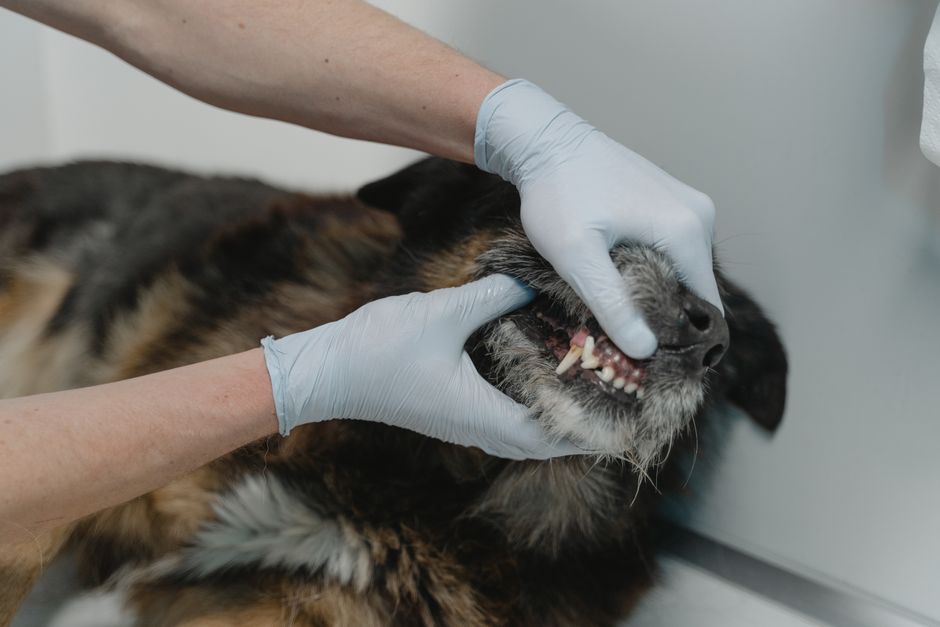
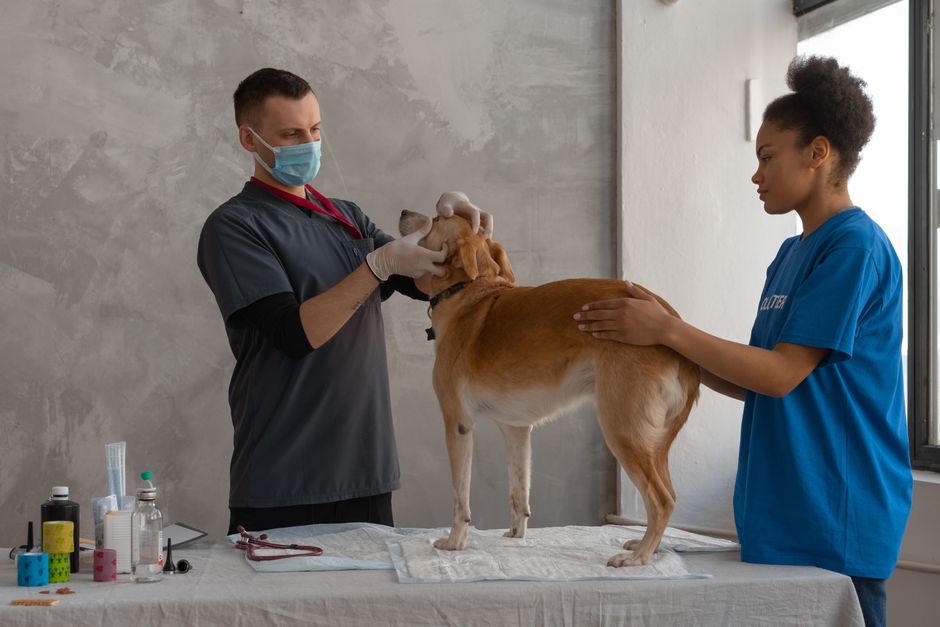
When you bring your pet to Paw Haus Animal Hospital with concerns about heat or humidity, our veterinarians perform a thorough assessment to determine the severity and best course of action. For pets experiencing mild heat stress, treatment involves moving them to a cool environment, providing fluids, and monitoring vital signs. In more serious cases, we may administer intravenous fluids, oxygen therapy, and additional supportive care to address dehydration, electrolyte imbalances, or organ stress.
For pets suffering from skin issues due to heat and humidity, our veterinary dermatology services focus on identifying and treating underlying infections, allergies, or parasites. Treatments may include medicated baths, topical ointments, and oral medications tailored to your pet’s specific needs. We often recommend a comprehensive physical examination to uncover any hidden health concerns and to create a preventive care plan.
Our team also provides heartworm testing and ongoing monitoring, as mosquitoes thrive longer during warm, humid months, putting local pets at continued risk for this serious disease. For pets with chronic conditions or previous heat-related issues, we may suggest more frequent visits or semi-annual comprehensive veterinary exams to keep your pet on a healthy path all year long.
Practical Tips for Preventing Heat Stress and Keeping Pets Comfortable
Prevention is the best approach when it comes to protecting your dog or cat from the effects of October’s humidity. Always provide fresh, clean water in multiple locations around the home, especially if your pet spends time outdoors or in warm rooms. Consider using cooling mats, fans, or air conditioning to create comfortable indoor spaces. Walk your dog early in the morning or later in the evening when temperatures and humidity are lower, and never leave your pet in a parked car, even for a brief period.
Groom your pet regularly to remove excess fur and prevent matting, which traps heat and moisture against the skin. However, avoid shaving your pet’s coat too short, as the fur also provides natural protection from sunburn. For pets prone to skin issues, keep an eye out for signs of irritation or infection, and contact your veterinarian if you notice persistent redness, sores, or itching. You can learn more about managing humidity-related skin problems on our veterinary dermatology services page.
Using parasite preventives is especially important in humid climates where fleas, ticks, and mosquitoes remain active for much of the year. Maintain your pet’s heartworm and flea/tick prevention schedule as recommended by your veterinarian. If you notice an increase in scratching, licking, or changes in your pet’s coat, it may be time for a checkup to address potential dermatological concerns.
When to Seek Veterinary Care for Heat or Humidity Issues
It can be difficult to determine when home care is enough and when your pet needs to see a veterinarian. If your pet is experiencing persistent panting, weakness, vomiting, or appears disoriented, seek veterinary attention immediately. Pets that collapse, have seizures, or show signs of severe distress should be brought to the clinic without delay, as these are symptoms of potentially life-threatening heatstroke.
For less urgent but concerning signs, such as changes in appetite, ongoing lethargy, repeated scratching, or areas of irritated skin that do not improve, a veterinary visit is warranted. Our team can provide targeted care and advice, as well as recommend changes to your pet’s home environment or routine to better manage the effects of Miramar’s humidity.
Routine comprehensive pet exams are also essential for early detection of heat and humidity-related problems, particularly for pets with pre-existing conditions or those in high-risk categories. Even if your pet seems healthy, these exams help us catch subtle issues before they become major concerns.
Supporting Pet Health Year-Round in Miramar and Beyond
At Paw Haus Animal Hospital, we are committed to helping pet owners in Miramar and surrounding communities navigate the challenges of our local climate. Hot and humid October weather can pose serious risks for dogs and cats, but with the right preventive steps and prompt veterinary care, you can keep your pet comfortable and safe throughout the season.
If you ever find yourself searching for a vet near me because you are worried about your pet’s response to heat or humidity, our compassionate veterinary team is here to help. To schedule a wellness visit, discuss a preventive care plan, or address urgent symptoms, contact Paw Haus Animal Hospital at (754) 288-2017 or visit our Miramar location.
Your pet’s health and comfort are our top priorities, no matter the season. For additional information on preventing heat stress, managing skin conditions, or ensuring year-round wellness, explore our website or reach out to our veterinary professionals for guidance tailored to your pet’s needs. Remember, early action and regular checkups are the best way to keep your beloved companion thriving, even in the steamy days of a South Florida October.