
How to Protect Dogs and Cats From Summer Parasites in Miramar


How to Protect Dogs and Cats From Summer Parasites in Miramar
Summer in Miramar brings plenty of sunshine and time outdoors for local dogs and cats, but it also means a surge in parasite activity. If you are worried about fleas, ticks, or heartworms during Miramar’s hot and rainy July, you are not alone. These common parasites thrive in warm, humid weather and can quickly become a threat to your pet’s health and comfort. At Paw Haus Animal Hospital, our veterinary team is dedicated to keeping your pets safe from these seasonal dangers with comprehensive preventive care, early detection, and expert treatment options. This guide will help you understand the risks of summer parasites, recognize the warning signs, and discover how you can shield your dog or cat from harm. You will also learn how our veterinarians at 12280 Miramar Blvd #1, Miramar, FL 33025 can partner with you for year-round protection.
Recognizing the Signs: When Should Pet Owners Worry About Parasites?
Fleas, ticks, and heartworms may be small, but the impact they have on your dog or cat can be significant. Many pet owners first notice a problem when their pet starts scratching, chewing, or acting restless. Common signs of flea infestation include constant itching, hair loss—especially around the base of the tail—and small black specks on your pet’s skin or bedding that resemble pepper. Ticks are often more difficult to spot, as they attach themselves to your dog or cat’s skin and can blend in with fur. You might find a small, hard bump while petting your pet, notice redness or swelling where a tick has attached, or observe your pet shaking their head or pawing at their ears if a tick is present in those areas.
Heartworm disease is more insidious since early signs are often subtle or nonexistent. Symptoms may include coughing, fatigue after moderate exercise, reluctance to play, decreased appetite, and unexplained weight loss. In cats, heartworm disease can cause vomiting, difficulty breathing, or sudden collapse. Because some signs mimic other conditions, it is important for pet owners to stay vigilant and consult a veterinarian if their dog or cat develops unusual symptoms during summer.
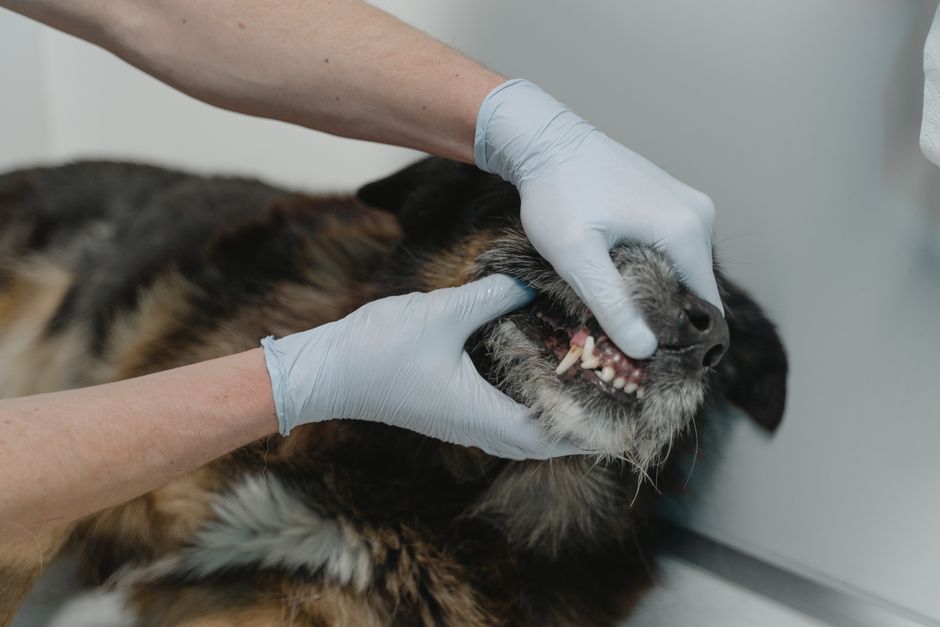
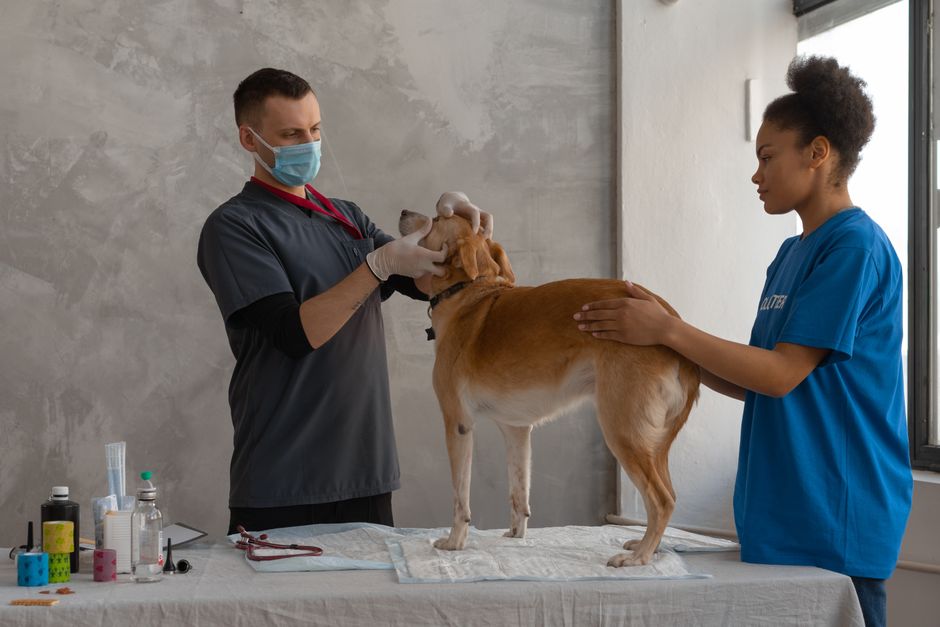
Routine checkups are an important part of catching parasites early. Our comprehensive physical exams for pets in Miramar include thorough skin and coat evaluation, heart and lung assessment, and guidance on the best parasite prevention strategies for your pet’s lifestyle.
Understanding Why Summer in Miramar Is Prime Time for Parasites
Miramar’s summer climate creates the ideal environment for fleas, ticks, and mosquitoes—the latter being the main transmitter of heartworms. The combination of high humidity, frequent rain, and warm temperatures accelerates the breeding cycles of these pests and extends their active season. Fleas can lay hundreds of eggs in your home or yard, quickly leading to an infestation. Ticks thrive in grassy backyards, parks, and even on shaded walking trails, waiting to latch onto passing animals. Mosquitoes breed in standing water, such as puddles, birdbaths, or clogged gutters, making heartworm exposure a year-round risk in South Florida but especially high during wet months.
Both dogs and cats, whether they spend most of their time inside or outdoors, can pick up parasites. Even indoor pets are at risk because fleas and mosquitoes can enter the home through open doors, windows, or on clothing. It is important for pet owners in Miramar and nearby communities to recognize that parasite prevention should not be limited to pets who spend time outdoors.
How Parasite Problems Are Treated and Managed by Your Veterinarian
When a dog or cat is diagnosed with a parasite problem, early intervention is essential to reduce discomfort and prevent complications. Flea infestations are typically addressed with prescription oral or topical medications that kill adult fleas and disrupt the flea life cycle. In some cases, your veterinarian may recommend treating your home and yard to eliminate fleas in the environment, as well as bathing or combing your pet to remove visible parasites.
Tick removal should always be handled carefully to avoid leaving mouthparts embedded in your pet’s skin. Your veterinarian can demonstrate safe removal techniques and may prescribe preventive medications that repel or kill ticks before they can transmit diseases such as Lyme or ehrlichiosis. If a tick-borne illness is suspected, additional diagnostic testing and supportive care may be needed.
Heartworm disease requires a different approach. For dogs, treatment involves a series of injections to kill adult heartworms, along with medications to manage inflammation and reduce the risk of complications. This process can be lengthy and costly, and activity must be strictly limited during treatment. For cats, there is currently no approved heartworm treatment, so care focuses on managing symptoms and preventing secondary infections. This is why regular heartworm testing for dogs and cats and consistent preventive medication are so important for your pet’s safety.
The veterinarians at Paw Haus Animal Hospital provide tailored treatment plans based on your pet’s age, health status, and risk factors. We also offer ongoing guidance to help you manage parasite prevention at home and in your pet’s environment.
Prevention at Home: Steps You Can Take to Protect Your Dog or Cat
Effective parasite prevention starts with year-round vigilance. The most important step is to keep your pet on veterinarian-recommended flea, tick, and heartworm preventives. These medications are available as oral tablets, topical treatments, or collars, and your veterinary team can help you select the best option for your dog or cat based on their needs and lifestyle.
In addition to medication, practical home care measures play a major role. Keeping your yard mowed and free of tall grass, removing piles of leaves or debris, and eliminating standing water sources will make your property less inviting for fleas, ticks, and mosquitoes. Inside the home, regular vacuuming of carpets, rugs, and upholstery, as well as washing your pet’s bedding in hot water, are effective ways to remove flea eggs and larvae.
When returning from walks or visits to parks, take a few moments to inspect your dog for ticks by running your hands over their coat and paying close attention to the ears, neck, and between the toes. For cats, especially those allowed outdoors, check for signs of scratching or visible parasites after time outside.
If your pet develops persistent itching, red or irritated skin, or unexplained hair loss, these may be early warning signs of a parasite problem or an underlying allergy. Our team at Paw Haus Animal Hospital offers allergy testing for pets in Miramar to help determine if your pet’s symptoms are due to environmental allergens or parasites, and our dermatology services for dogs and cats can address a wide range of skin conditions.
When Should You Call Your Veterinarian for Help?
While some parasite problems can be managed with routine preventive care, there are times when professional veterinary attention is needed right away. You should schedule an appointment if your pet is experiencing severe itching that does not respond to over-the-counter remedies, visible sores, or skin infections. Likewise, if you discover a tick attached to your pet and are unsure how to remove it, or if your pet becomes lethargic, starts coughing, or shows signs of breathing difficulty, it is essential to seek veterinary care without delay.
Heartworm disease is particularly serious, as symptoms often do not appear until the disease has progressed. Regular heartworm testing is recommended even for indoor cats and dogs, as early detection greatly improves the chances of successful management. If you are unsure about your pet’s risk, our veterinary professionals can assess your dog or cat’s lifestyle and recommend a tailored prevention plan.
Remember, timely action can make all the difference in your pet’s comfort and health. Paw Haus Animal Hospital is committed to supporting you and your pet with expert advice, advanced diagnostics, and compassionate care every step of the way.
Keeping Your Pet Safe: Why Choose Paw Haus Animal Hospital in Miramar?
Protecting your dog or cat from summer parasites is a year-round commitment, but you do not have to do it alone. At Paw Haus Animal Hospital, we understand how much your pet means to you and your family. Our veterinarians are here to answer your questions, provide personalized prevention plans, and deliver prompt, effective treatment if problems arise. From comprehensive physical exams for pets to advanced dermatology and internal medicine services, our team is dedicated to keeping your pets healthy and parasite-free throughout the Miramar summer and beyond.
If you are searching for a "vet near me" who offers top-quality preventive care and understands the unique challenges of pet ownership in South Florida, our veterinary team is ready to help. To schedule an appointment or discuss your pet’s parasite prevention plan, call us at (754) 288-2017 or visit us at 12280 Miramar Blvd #1, Miramar, FL 33025. Your pet’s summer should be full of fun, not itching or worry. Let Paw Haus Animal Hospital be your trusted partner for a healthy, happy season.
This article is for informational purposes only and does not replace professional veterinary care. Always consult your veterinarian for specific guidance on your pet’s health needs.