
Holiday Hazards: Keeping Pets Safe This Thanksgiving

Holiday Hazards: Keeping Pets Safe This Thanksgiving
Thanksgiving is a special time for families in Miramar and surrounding communities, often filled with laughter, delicious food, and time spent together. For pet owners, however, the holiday can bring a unique set of worries. With tempting foods on the table, guests coming and going, and busy schedules, it is no surprise that Thanksgiving is one of the most common times of year for emergency vet visits. At Paw Haus Animal Hospital, located at 12280 Miramar Blvd #1, Miramar, FL 33025, our veterinary team is dedicated to helping you keep your dog or cat safe, healthy, and stress-free throughout the holiday season. In this guide, we will discuss the biggest Thanksgiving dangers for pets, from toxic foods to holiday stress, and provide practical steps to protect your furry family members. You will also learn when to seek veterinary help and how to ensure a happy, healthy holiday for everyone.
Recognizing Thanksgiving Hazards for Dogs and Cats
Thanksgiving brings many changes to your household routine. While the festivities are fun for people, they can introduce risks for your pet. Common hazards during Thanksgiving include access to toxic foods, the presence of unfamiliar guests, loud noises, and even escapes through open doors. Warning signs that your pet may be in trouble can range from vomiting and diarrhea to sudden lethargy, difficulty breathing, or signs of anxiety such as hiding or shaking. If your dog or cat is acting out of character during the celebration, it is important to pay attention to these warning signs. For example, a cat who never leaves your lap might suddenly hide under the bed, or a dog who is usually calm might become restless or try to bolt outside. If you notice any sudden changes in behavior or health, do not ignore them—these could be the first signs of a holiday-related problem.
Why Thanksgiving Is Risky for Pets
The hustle and bustle of Thanksgiving creates an environment full of potential hazards for dogs and cats. One of the biggest risks is food toxicity. Foods that are perfectly safe for people can be dangerous, or even deadly, to pets. Turkey bones can splinter and cause blockages or tears in the digestive tract. Onions, garlic, and leeks, which are often used in stuffing and gravies, are highly toxic to both dogs and cats and can cause life-threatening anemia. Chocolate, raisins, grapes, and the artificial sweetener xylitol—found in many baked goods—are also extremely dangerous. Additionally, fatty foods like turkey skin, buttery casseroles, and gravy can trigger pancreatitis, an extremely painful and potentially serious inflammation of the pancreas.
Beyond the dinner table, your dog or cat may become stressed from the noise and chaos of guests, especially if they are not used to having many people in the home. The constant opening and closing of doors can lead to accidental escapes, especially for curious cats or dogs eager to greet guests. Decorations, such as candles and floral arrangements, can also pose a threat if knocked over or ingested. Understanding these risks helps you anticipate potential problems before they happen, making it easier to keep your pet safe.
What to Do If Your Pet Gets Into Trouble
Despite your best efforts, accidents can happen. If you suspect your pet has eaten something toxic or is showing signs of illness, prompt action is important. Symptoms that require immediate attention include repeated vomiting or diarrhea, drooling, trouble breathing, seizures, or collapse. If your pet has ingested chocolate, onions, grapes, xylitol, or any object that could cause a blockage, call your veterinarian right away. Do not wait to see if symptoms improve on their own; some toxins can act quickly, and delays can be dangerous.
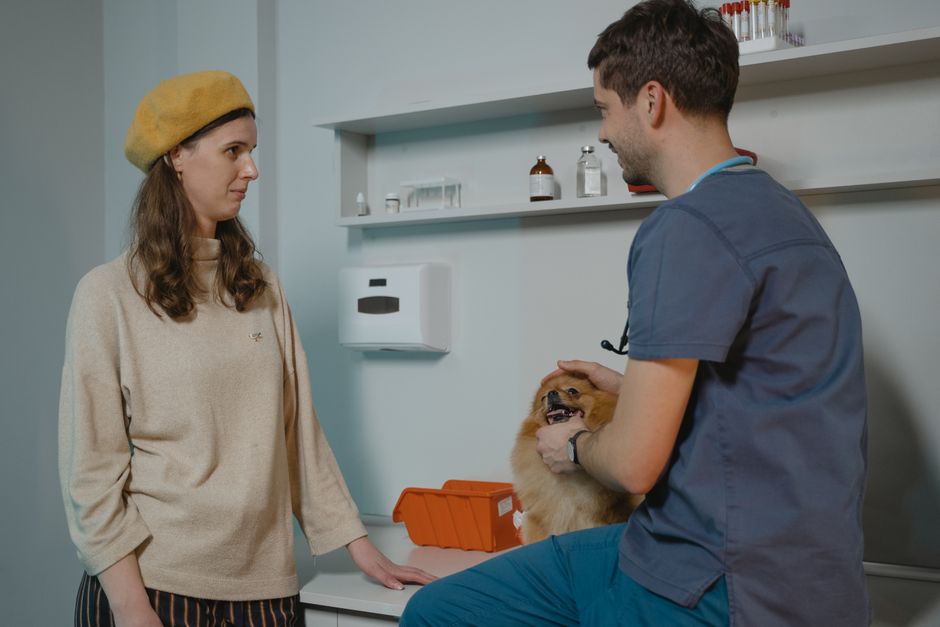
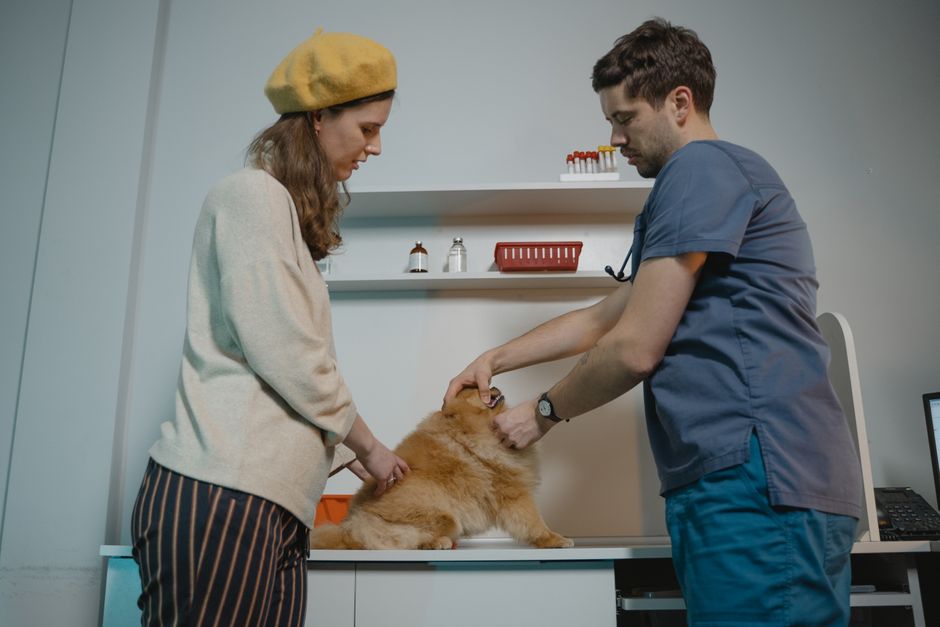
Your veterinarian may recommend bringing your pet in for an examination or may guide you on steps to take at home depending on the situation. Treatment options for toxic ingestion may include administering medications to induce vomiting, providing activated charcoal to absorb toxins, intravenous fluids, or supportive care to manage symptoms. If your dog or cat has eaten a bone or foreign object, diagnostic imaging such as radiographs may be needed to identify the location and plan the best course of action. If surgical intervention is needed, our veterinary team at Paw Haus Animal Hospital is equipped to provide a full range of internal medicine and surgical care for dogs and cats.
Preventing Thanksgiving Accidents: Home Safety Tips
The good news is that most Thanksgiving hazards can be avoided with a few simple precautions. Keep all tempting foods, especially those known to be toxic, well out of reach of your pet. Remind your guests not to feed your dog or cat table scraps, no matter how convincing those big eyes might be. Secure trash cans with tight-fitting lids or place them behind closed doors to prevent scavenging. When preparing food, keep pets safely in another room, and clean up spills right away.
For homes with cats, be aware that lilies and some other popular floral decorations are highly toxic and should never be brought into the house. If you are lighting candles, place them on high, stable surfaces and never leave pets unattended in a room with an open flame. To reduce stress, create a quiet, comfortable space for your dog or cat away from the holiday activity. This might be a spare bedroom or a cozy crate with familiar bedding and toys. Play calming music or use pheromone diffusers to help relax anxious pets.
Remind guests to close doors and gates behind them, and consider placing a note on entryways to help prevent escapes. Microchipping and collar ID tags are important year-round, but especially during busy holidays when the risk of a lost pet increases.
When to Seek Veterinary Help During Thanksgiving
Knowing when to call the veterinarian can make a crucial difference in your pet’s outcome. Immediate veterinary attention is needed if your dog or cat has ingested something toxic, is experiencing persistent vomiting or diarrhea, has difficulty breathing, is non-responsive, or shows signs of severe pain such as whining, restlessness, or refusing to move. In less urgent situations, such as mild stomach upset without other symptoms, monitoring your pet and scheduling a comprehensive physical examination after the holiday may be appropriate.
If you are unsure whether your pet’s symptoms are serious, it is always safer to contact your veterinary team. In case of a true emergency when our clinic is closed, you may need to seek emergency care at a 24-hour facility. For urgent questions or concerns during regular business hours, our team at Paw Haus Animal Hospital is just a phone call away, ready to offer guidance or schedule an appointment as needed.
Keeping the Thanksgiving Season Joyful for Pets and People
Thanksgiving should be a time of togetherness, not stress over your pet’s safety. By being proactive and recognizing common holiday hazards, you can help ensure your dog or cat enjoys the festivities as much as you do. Remember to keep dangerous foods and decorations out of reach, provide a safe retreat for your pet, and ask guests to help you keep doors closed and routines calm. If you notice any signs of illness or distress, do not hesitate to seek help from your trusted veterinary professionals.
If you are searching for a veterinarian near me who understands the unique challenges of holiday pet care, Paw Haus Animal Hospital in Miramar is here to help. Our compassionate team is experienced in both preventive and urgent care and is committed to keeping your furry family members safe all year long. To schedule an appointment or speak with our veterinary team about your pet’s health this holiday season, call us at (754) 288-2017 or stop by our convenient location at 12280 Miramar Blvd #1, Miramar, FL 33025. For more information on our emergency and urgent care services, visit our page on emergency veterinary care for pets in Miramar.
Wishing you and your pets a happy, healthy, and safe Thanksgiving from all of us at Paw Haus Animal Hospital.