
Preparing Pets for Travel: Holiday Safety Tips for Dogs and Cats
Preparing Pets for Travel: Holiday Safety Tips for Dogs and Cats
Traveling during the holidays is a cherished tradition for many families in Miramar and surrounding communities, and for pet owners, the journey often includes bringing their beloved dogs and cats along for the adventure. Whether you are planning a road trip to visit loved ones or preparing to fly out of town, ensuring your pet’s safety, comfort, and well-being is essential for a successful holiday journey. At Paw Haus Animal Hospital, located at 12280 Miramar Blvd #1, Miramar, FL 33025, our veterinary team understands the unique challenges of holiday travel with pets and is here to support you every step of the way. In this comprehensive guide, we will explore how to recognize if your pet is ready for travel, discuss factors that contribute to travel-related stress, outline essential preparation steps, and explain when to consult your veterinarian for pre-trip care. Whether you are traveling by car or plane, our goal is to help you and your furry companion enjoy a safe and memorable holiday season together.
Recognizing When Your Pet Is Ready (or Not) for Holiday Travel
Not all dogs and cats are equally suited for travel, and recognizing the signs that your pet may thrive—or struggle—on the road is the first step in ensuring a smooth journey. Some pets are naturally adventurous, enjoying new sights and experiences, while others may become anxious or overwhelmed by changes in routine and environment.
Common indicators that your pet is ready for travel include a history of calm behavior during car rides or visits to new places, an ability to adapt to new environments without excessive stress, and a healthy, active demeanor. On the other hand, warning signs that your pet may not be travel-ready are symptoms such as excessive vocalization, drooling, panting, hiding, or attempts to escape when exposed to carriers or vehicles. Additionally, pets with a history of motion sickness, severe anxiety, or chronic health conditions may require extra preparation or alternative arrangements.
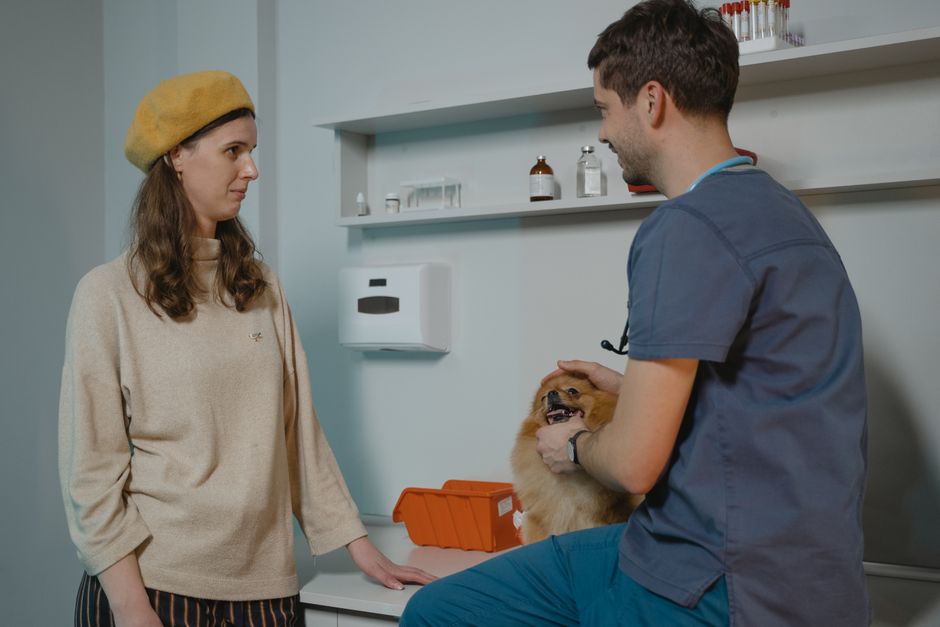
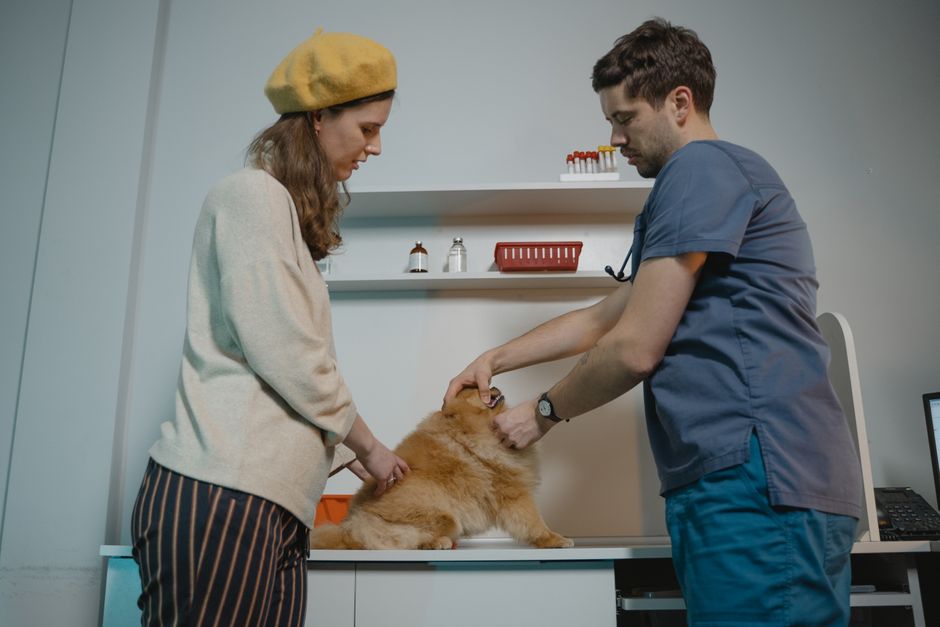
If you are unsure about your pet’s readiness, a comprehensive physical examination with our veterinary professionals can help assess their health and temperament before travel. This evaluation will address any concerns and provide tailored recommendations to keep your pet comfortable and safe.
Understanding the Causes of Travel Stress and Risks
Holiday travel introduces a variety of stressors and risks for pets, ranging from unfamiliar environments and disrupted routines to exposure to new people, pets, and potentially hazardous situations. For many dogs and cats, changes such as long car rides, crowded airports, or stays in unfamiliar homes can trigger anxiety or behavioral changes.
Key factors contributing to travel stress include separation from familiar surroundings, abrupt changes in feeding or bathroom schedules, and exposure to loud noises or unusual scents. Additionally, travel can increase the risk of motion sickness, dehydration, or escape, especially for pets not accustomed to carriers or restraining devices. For pets with underlying health conditions, travel may exacerbate symptoms or make it difficult to manage medications, hydration, or dietary needs.
Understanding these risks allows pet owners to plan ahead, ensuring that travel arrangements prioritize both safety and comfort. Taking proactive steps to minimize stress and address potential hazards is essential for a successful journey.
Preparing Your Pet for Safe and Comfortable Travel
Thorough preparation is the cornerstone of safe holiday travel with pets. The process involves several important steps, each designed to support your dog or cat’s physical health and emotional well-being throughout the journey.
Scheduling a Pre-Travel Veterinary Visit
Before embarking on any trip, schedule a comprehensive physical examination for your pet. This visit allows our veterinarians to confirm that your dog or cat is healthy enough for travel, address any medical concerns, and provide recommendations for preventive care. During this appointment, we can discuss travel requirements such as vaccinations, parasite prevention, and microchipping, which are especially important if you are crossing state lines or traveling by air.
If your pet is prone to heartworm disease or if you will be visiting areas where heartworm is prevalent, consider scheduling heartworm testing as part of your pre-travel checklist. Ensuring your pet is up-to-date on vaccinations and parasite prevention not only protects them during travel but also helps safeguard other pets they may encounter along the way.
Packing the Essentials for Your Pet
Traveling with pets requires careful packing to ensure their needs are met on the road. Essentials include a secure, well-ventilated carrier or crate that allows your pet to stand, turn, and lie down comfortably, as well as your pet’s favorite bedding, toys, and familiar items to provide reassurance. Bring enough food and water for the journey, as well as portable bowls, medications, and an updated copy of your pet’s medical records.
For car travel, plan for regular breaks to allow your pet to stretch, relieve themselves, and have a drink of water. Never leave your pet unattended in a parked car, as even short periods can lead to dangerously high temperatures, especially in Florida’s climate.
Reducing Stress and Ensuring Comfort
Helping your pet feel secure throughout the journey is essential for their emotional and physical well-being. Acclimate your dog or cat to their carrier in the weeks leading up to travel by allowing them to explore it at home and rewarding calm behavior. For pets prone to anxiety, pheromone sprays, calming collars, or prescription medications may be recommended by your veterinarian. Playing calming music, offering familiar toys, and maintaining as much of your pet’s regular routine as possible can help minimize travel-related stress.
If your holiday plans include air travel, research airline pet policies in advance and choose direct flights whenever possible to reduce time in transit. For some pets, especially brachycephalic breeds or those with underlying health conditions, flying may not be recommended; our team can advise you on the safest and most comfortable travel options for your pet.
Prevention and Home Care Tips for Safe Holiday Journeys
Taking proactive steps at home can make a significant difference in your pet’s travel experience. Gradually introduce your dog or cat to travel-related items such as carriers, harnesses, or travel crates in a positive, low-stress environment. Feeding your pet a light meal a few hours before departure can help minimize motion sickness; avoid feeding immediately before travel to reduce the risk of nausea.
Ensure your pet’s identification tags and microchip information are up-to-date with your current contact details in case of accidental escape. Carry a recent photo of your pet to assist in identification should they become lost. When staying in unfamiliar accommodations, perform a quick safety check for hazards such as open windows, exposed cords, or toxic plants.
For pets with chronic medical needs, prepare an ample supply of medications and instructions for administration. If your pet requires special diets or feeding schedules, pack enough food for the duration of your trip, as sourcing the same brand in a new location may be challenging.
When to Seek Veterinary Care Before, During, and After Travel
Knowing when to seek veterinary care is crucial for your pet’s safety during holiday travel. Schedule a pre-trip visit if your pet is due for vaccinations, has a history of travel anxiety, or if you have concerns about their ability to handle the journey. Signs that your dog or cat may need urgent veterinary attention during travel include persistent vomiting or diarrhea, refusal to eat or drink, difficulty breathing, excessive drooling, disorientation, or sudden behavioral changes.
If your pet experiences a medical emergency while traveling or shortly after you return home, contact our emergency and urgent care team for immediate support. Our veterinary professionals at Paw Haus Animal Hospital are experienced in managing travel-related health concerns and are here to help your pet recover quickly.
After your trip, monitor your pet for any lingering signs of stress, illness, or injury. If you notice ongoing lethargy, digestive upset, or behavioral changes, schedule a follow-up visit to address any underlying issues and ensure a smooth transition back to normal routines.
Preparing for Holiday Travel with Your Dog or Cat: Final Tips and Local Support
Holiday travel with pets can be a joyful and rewarding experience when approached with thoughtful preparation and veterinary guidance. By recognizing your pet’s unique needs, understanding the risks, and implementing preventive measures, you can help ensure that your journey is safe and enjoyable for everyone involved. Our team of veterinarians at Paw Haus Animal Hospital is dedicated to supporting pet owners in Miramar and surrounding communities, offering comprehensive services from pre-travel wellness exams to emergency care if the unexpected arises.
If you are planning a trip and want to make sure your pet is ready for the adventure, we encourage you to request a veterinary appointment for a wellness check and travel consultation. For pet owners searching for a trusted "vet near me," Paw Haus Animal Hospital provides expert, compassionate care right here in your community. Should you have any questions or require urgent assistance during the holidays, call us at (754) 288-2017 or stop by our convenient location at 12280 Miramar Blvd #1, Miramar, FL 33025.
Let us help you and your furry companion enjoy a safe, comfortable, and memorable holiday season together. For additional resources on traveling with pets, visit the American Veterinary Medical Association’s travel tips or consult with our veterinary team for personalized advice tailored to your pet’s needs. Safe travels from all of us at Paw Haus Animal Hospital!